

Audio By Carbonatix
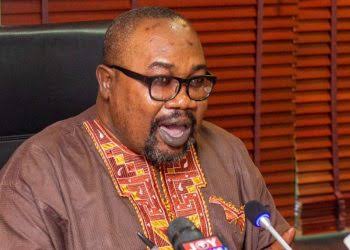
Ghana needs more direct funding for essential medicines for tuberculosis, HIV and malaria patients rather than health assistance focused heavily on training and meetings, Chairman of Parliament’s Select Committee on Health, Dr Mark Kurt Nawane, has said.
He said Ghana cannot afford to prioritise capacity-building programmes when patients continue to face gaps in access to critical medicines and health commodities.
Dr Nawaane cited figures of $82.5 million in capacity-building support in 2025 and $53 million in 2026, but questioned whether such assistance addresses the country’s most pressing health needs.
According to him, Ghana’s immediate priority was to secure resources to purchase medicines for patients.
“What we wanted was money to buy medications for TB patients and for HIV patients and for malaria patients. That’s what we needed,” he said.
Dr Nawaane said capacity-building support, including training health workers and organising meetings, was useful but could not substitute for the medicines and other commodities required by patients.
He argued that directing donor support towards such activities could leave Ghana having to mobilise additional resources to meet basic pharmaceutical needs.
He cited an estimated $74 million gap that Ghana would have to bridge for medicines and related health requirements.
“So, in other words, they want to tell America that come again if you want to partner with us on health,” he said.
Dr Nawaane’s comments come amid concerns over changes to US health assistance and their potential implications for Ghana’s health sector.
He said Ghana remained willing to work with the United States on health but insisted that future cooperation should be aligned with the country’s most urgent needs.
For him, the issue is not simply the amount of money committed to Ghana’s health sector, but how the support is structured and whether it ultimately addresses the needs of patients.
He said health partnerships should help Ghana secure essential medicines and commodities rather than leave the country with additional financial obligations to fill funding gaps.
The comments form part of a broader debate over the terms of Ghana’s proposed health arrangement with the United States and how the country should structure future international health partnerships.
Latest Stories
-
Baffour Awuah cooperating with investigators after surrender and arrest – EOCO
5 minutes -
Destruction of aspirants’ posters breaches democracy—Ashanti NPP Communications Director
15 minutes -
BNI investigates Ampofo Ankrah over alleged $623,000 World Cup visa scheme
27 minutes -
NPP National Delegates Conference: Police announce road closures, diversions around Baba Yara Stadium
35 minutes -
Agric Committee demands financing plan for Pwalugu Irrigation Project before 2027 Budget
37 minutes -
Minority calls for the immediate suspension of Ghana-Colombia maritime agreement
48 minutes -
Ghanaian professional Sydney Hushie appointed UNFPA Chief of Digital Centre of Excellence
53 minutes -
GHS urges health managers to use community scorecards to improve healthcare delivery
60 minutes -
Ekyeamamfrom-Pivot irrigation project 90% complete but stalled over unpaid certificates
1 hour -
When the Gavel speaks, where is the choir that once sang for Wontumi?
1 hour -
NPP does not need a new chairman: It needs a brand architect
1 hour -
GNFS contains fire at Avenor North Industrial Area in Accra
1 hour -
NITA appoints Anthony Owusu-Ansah as Acting Deputy Director-General
1 hour -
RANA warns Salomey Bafoh case could have chilling effect on free expression
1 hour -
Who is the ‘hero’ Indian pilot who was stabbed on Israel-bound flight?
2 hours