

Audio By Carbonatix
The University of Professional Studies, Accra (UPSA) has led a national conversation on regulating Ghana’s fast-growing digital asset space, with experts calling for a balance between innovation, consumer protection and financial stability.
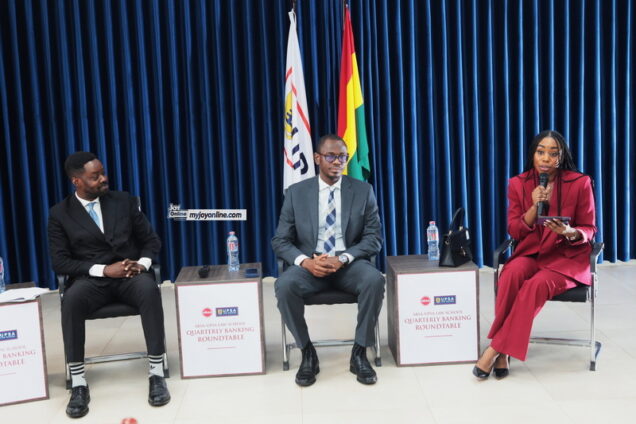
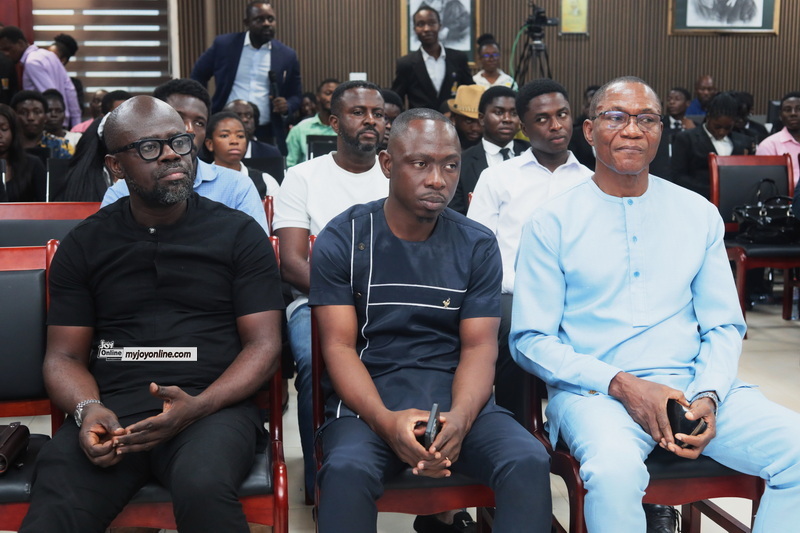
The 2026 edition of the 14th Absa-UPSA Law School Quarterly Banking Roundtable brought together resource persons with extensive expertise in capital markets and digital asset management.
The forum, which was organized by the UPSA Law School in partnership with Absa Bank Ghana on the theme: “Digital Assets Regulation in Ghana: Navigating Opportunities and Risks.
The Acting Head of the Virtual Assets Department at the Bank of Ghana, Mr. Philip Kwaw Sebuabe, was represented by Mr. Tahiru Alhassan, Head of Oversight and Compliance of the Virtual Assets Department, Bank of Ghana.
Speaking on his behalf, Mr. Alhassan said Ghana’s new Virtual Asset Service Providers Act adopts a risk-based and technology-neutral approach. According to him, the law avoids both an outright ban and a completely unregulated market.
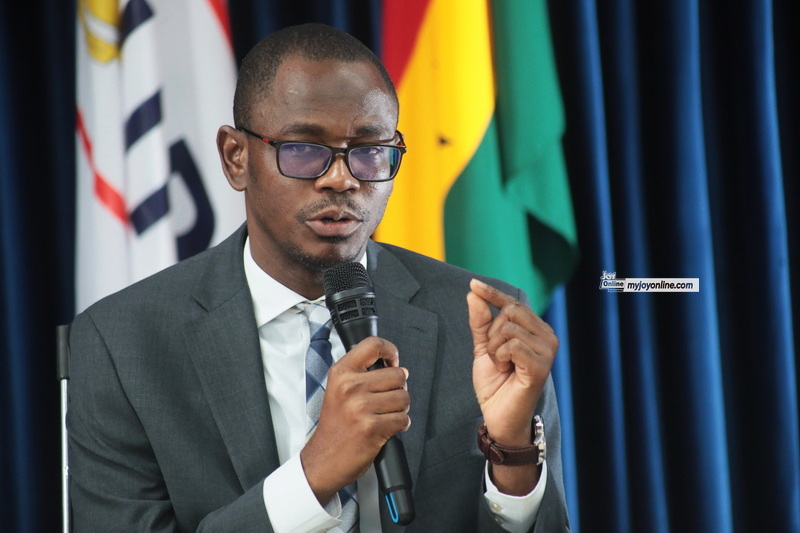
He explained that regulators used a pre-legislative policy sandbox to study emerging business models before finalizing the operational framework. “Consumer protection remains central to the regime,” Mr. Alhassan stated.
He outlined requirements on capital adequacy, custody of client assets, and strict compliance with anti-money laundering and counter-terrorist financing rules.
Fintech law expert and Co-Founder of Asiedu & Yorke, Kwesi Dadzie-Yorke Esq., described the Act as a major step toward giving the digital asset sector regulatory legitimacy.
He said formal supervision could improve access to banking services, boost investor confidence, and allow licensed firms to prove their regulatory standing. However, he warned that challenges such as fraud, high compliance costs, and counterparty risks remain.
He urged operators to deploy automated sanctions-screening systems and strong contractual safeguards. The panel, which also included Dr. Virág Blazsek, Associate Professor of Law at the University of Leeds, agreed that Ghana’s principles-based framework provides flexibility to respond to new developments such as tokenisation, decentralised finance and stablecoins.
Mr. Alhassan, however, cautioned against foreign currency-backed stablecoins, describing it as “dollarisation on the blockchain.”
He added that cedi-backed stablecoins could be tested within a regulatory sandbox.

In his welcome address, Director of the UPSA Law School, Prof. Kofi Abotsi, said the roundtable forms part of UPSA Law School’s efforts to bridge academic research with regulatory and industry expertise to support Ghana’s digital financial transformation.
Latest Stories
-
The rise of AI in the classroom: Balancing technological innovation with critical thinking
9 minutes -
Five arrested over alleged MoMo robbery syndicate in Upper West
14 minutes -
UEW journalism students call for practical media studio
18 minutes -
Beyond certification: How Bawaa the artist is helping young creatives turn talent into opportunity
25 minutes -
The Law 101: Vacation warrants and the role of the CJ (Part IV)
42 minutes -
The Law 101: GBA states pure law and convention about Legal Vacation (Part III)
47 minutes -
Pray – THE LAW 101: The Vacation Roster dilemma and the reality of Court Recess (Part II)
1 hour -
Trump hid in catering truck in secret plane swap over Iran threat, reports say
1 hour -
Inside the Secret Service ‘shell game’ to hide US presidents in plain sight
1 hour -
GEA seeks Gender Ministry’s support for Female Future Programme
1 hour -
Driver beaten to death over misunderstanding at Gomoa Achiase
2 hours -
Bagre Dam spillage: 68 communities in Northern region alerted as Burkina Faso monitors water levels
2 hours -
ECG announces power outages in Central, Eastern and Western Regions on Thursday
2 hours -
THE LAW 101: Tempus Non Currit – Why the sacred silence of the Legal Vacation protects justice (Part I)
2 hours -
God does not take campaign instructions
3 hours