


Audio By Carbonatix
Local fragrance manufacturing businesses are advocating investment and pushing for governmental support into Ghana’s promising fragrance industry in a venture touted as highly profitable. The domestic fragrance market is nascent with many untapped opportunities for local producers, as Ghanaian perfume consumers rely on almost 100 percent imported brands.
The global fragrance industry is a multibillion dollar market. Dubai, which exports more than 60 percent of Ghana’s fragrance needs, generates some US$700 million worth of revenue each year from the global fragrance and perfume trade. This annual revenue is expected to reach US$1 billion by 2030, as Dubai’s strategic position as a global trade hub facilitates substantial perfume exports.
In 2022, Ghana imported perfumes valued at US$41.5 million, as this amount is expected to reach some US$70 million this year.
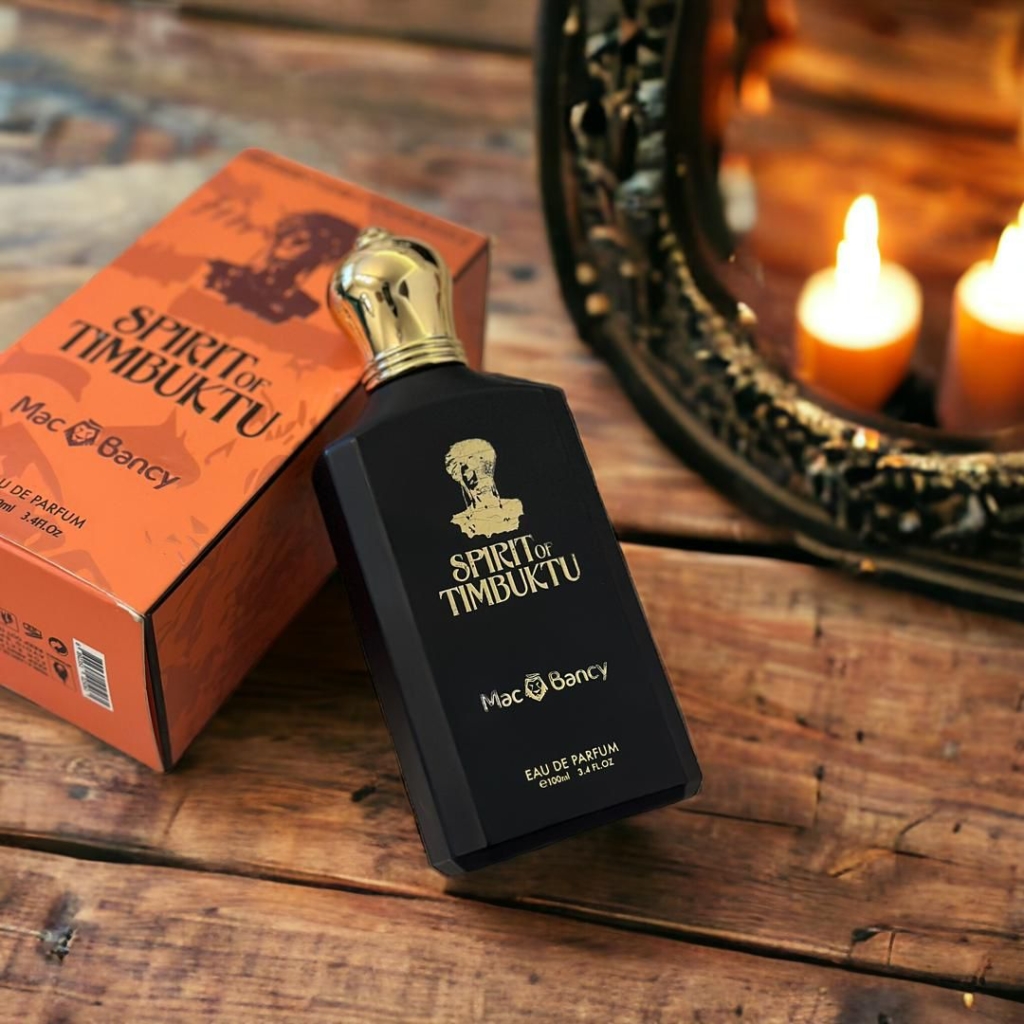
However, CEO of Mac Bancy Perfumes, Muslim Mohammed Nuru, told the B&FT that Ghana has the potential to become the ideal fragrance manufacturing hub and lead exports on the continent.
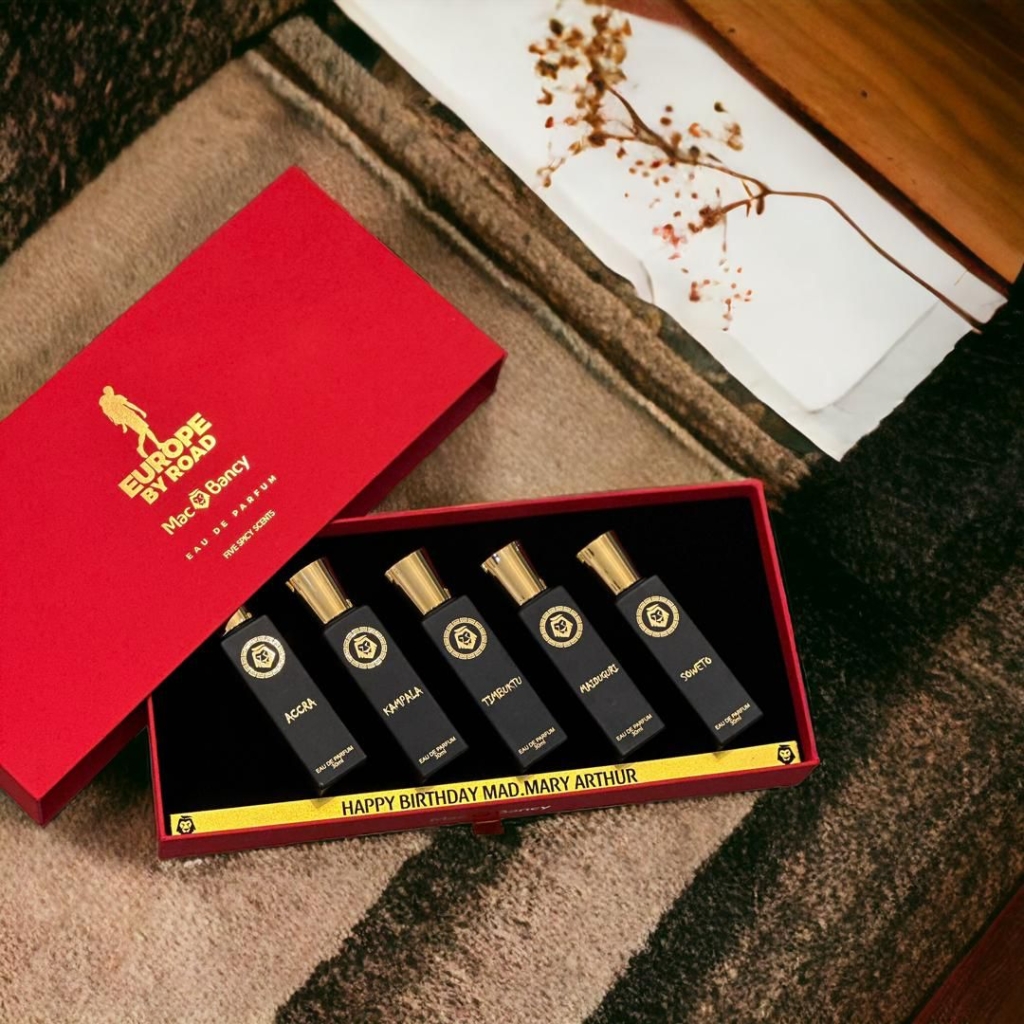
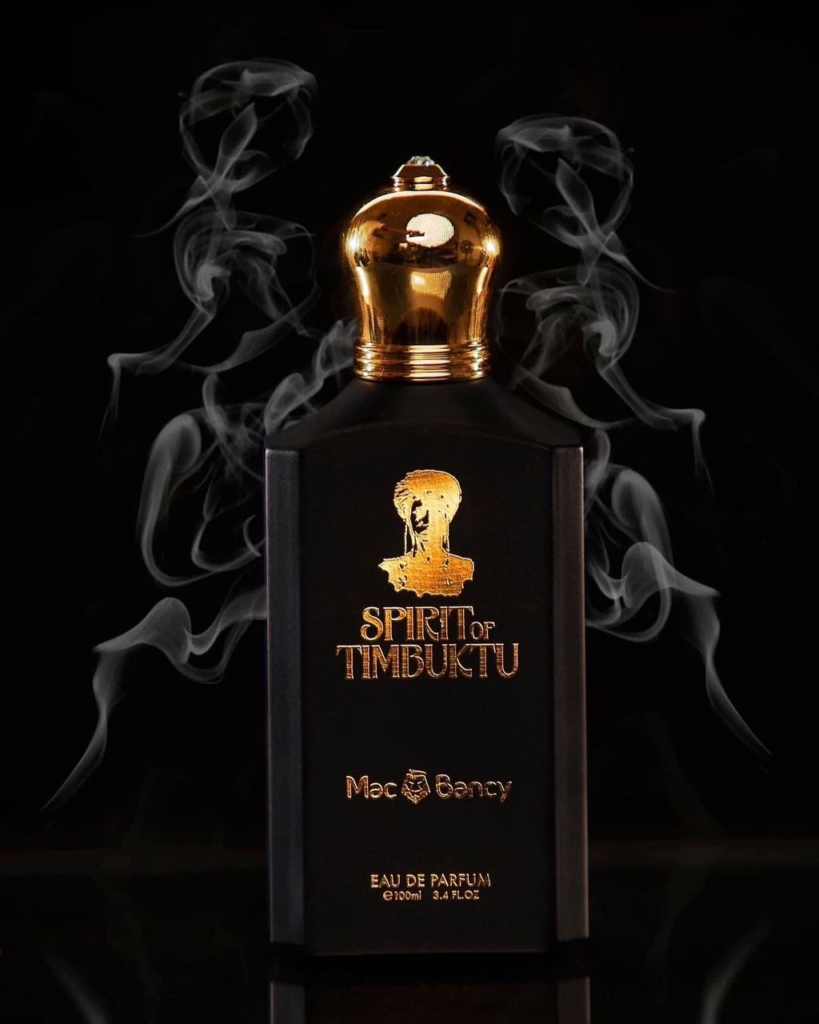
As a wholly owned Ghanaian fragrance manufacturing business, Mac Bancy has in the last five years, since 2019, been producing perfumes and fragrances, using local ingredients including, African locust bean (Dawadawa) and Aidan fruit (Prekese) – an innovation which is yet to be tapped by any fragrance manufacturer in the world. He said the local fragrance industry, when fully supported by government, can employ up to 20,000 people and create direct and indirect jobs in the value chain.
The Dubai model and deliberate government support
The Dubai government took the decision to make the place the headquarters of fragrance and perfumes in the world, thereby deliberately supporting SMEs to establish high quality perfume brands for middle class people who cannot afford higher price point perfumes.
Though most of Dubai’s perfume brands are cloned, such products are quality just like the actual designer brands. These high quality fragrances which are at a relatively cheaper price, target the African and many developing markets. With Africa having a high middle class population who are below luxury buyers, these perfumes from Dubai are easy target for a large buyer population on the continent.
Opportunities for the local market
As no African country currently have an established or a well-known fragrance industry, there is an opportunity for SMEs to venture into fragrance manufacturing for domestic consumption and export.
Mr. Nuru explained that Ghana’s middle class population is increasing and the quest for perfume usage is high. About 70 percent of Ghanaians, mostly young people, he said, want to smell good and are obviously buying fragrance from elsewhere. These people are mostly non-luxury buyers and relies on cloned brands which are affordable, albeit quality. Currently, there are about six SMEs locally producing fragrance and perfumes in Ghana.
How to make Ghana a fragrance hub in Africa/potentials
The African Continental Free Trade Area (AfCFTA) covers a population of about 1.4 billion people across 55 member countries. This makes it the world’s largest free trade area by population and geographic size.
With a mandate to create a single continental market with a combined GDP of approximately US$3.4 trillion, and chances to expand incomes by US$571 billion, government’s efforts to make Ghana a fragrance hub on the continent will be highly beneficial for revenue and job creation.
“A fragrance hub in Ghana will trigger job creation and Accra can become the capital of Africa’s fragrance industry. The demand is high and we have to produce locally. It is a sustainable business,” Mr. Nuru emphasised.
Data from the company indicates that a good perfume or fragrance for a middle class person in Ghana is priced from GH¢400 to GH¢1000, whereas luxury brands typically starts from GH¢3000 and above. According to Mac Bancy, luxury brand fragrance usage in Ghana occupies just three percent of the market, as the mass market usage for cloned and duplicated brands are the highest.
The strategy to develop local fragrance brands
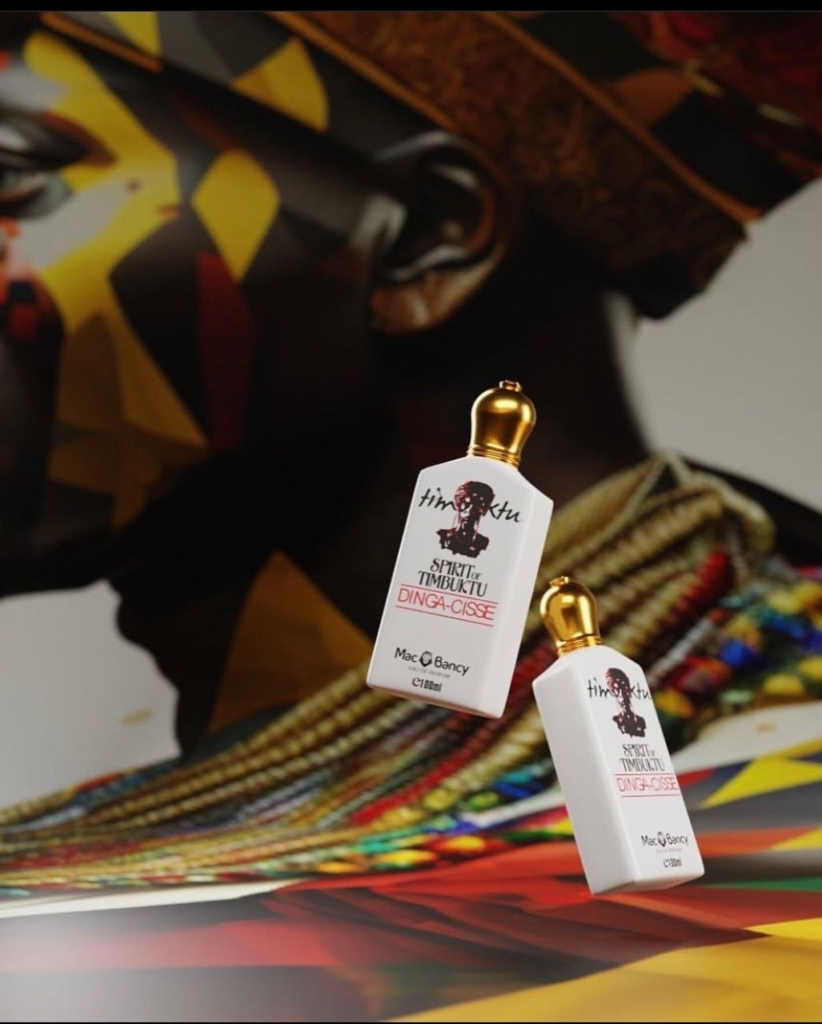
Mac Bancy says its immediate strategy is to create some 20 fragrance brands, but very keen on government support to scale up.
Indeed, the fragrance manufacturing business create opportunities for farmers who grow the various spices and plants, job opportunities in the packaging industry, bottling plants and a vibrant design and branding skill force. “These are the opportunities in the value chain for job creation. Reliance on 100 percent imports only create employment in the country of origin,” the Mac Bancy CEO noted.
According to him, the fragrance industry is not all about perfumes, but also comprises candles, deodorants, air fresheners, and beauty industry commodities such as body oils, hand creams, body creams, lotions, body soaps among others. “These various items present opportunities for the local economy with the right investments,” Mr. Nuru indicated.
Calls for a fragrance hub/academy
Mr. Nuru has called on government to establish the Ghana Fragrance Academy, an institution which will train fragrance experts in the value chain and give technical know-how on perfume manufacturing. The academy, the company explained, can partner with technical universities to institute a department and create a curriculum for such purpose, either as a diploma course or as a TVET course.
Latest Stories
-
Ghanaian delegation set for January 20, 2026 trip to Latvia in Nana Agyei case – Ablakwa
17 minutes -
Accra turns white as Dîner en Blanc delivers night of elegance and culture
2 hours -
War-torn Myanmar voting in widely criticised ‘sham’ election
4 hours -
Justice by guesswork is dangerous – Constitution Review Chair calls for data-driven court reforms
4 hours -
Justice delayed is justice denied, the system is failing litigants – Constitution Review Chair
5 hours -
Reform without data is a gamble – Constitution Review Chair warns against rushing Supreme Court changes
5 hours -
Rich and voiceless: How Putin has kept Russia’s billionaires on side in the war against Ukraine
6 hours -
Cruise ship hits reef on first trip since leaving passenger on island
6 hours -
UK restricts DR Congo visas over migrant return policy
6 hours -
Attack on Kyiv shows ‘Russia doesn’t want peace’, Zelensky says
6 hours -
Two dead in 50-vehicle pile up on Japan highway
6 hours -
Fearing deportation, Hondurans in the US send more cash home than ever before
6 hours -
New York blanketed in snow, sparking travel chaos
7 hours -
Creative Canvas 2025: Documenting Ghana’s creative year beyond the noise
10 hours -
We would have lost that game last season – Guardiola
10 hours