

Audio By Carbonatix
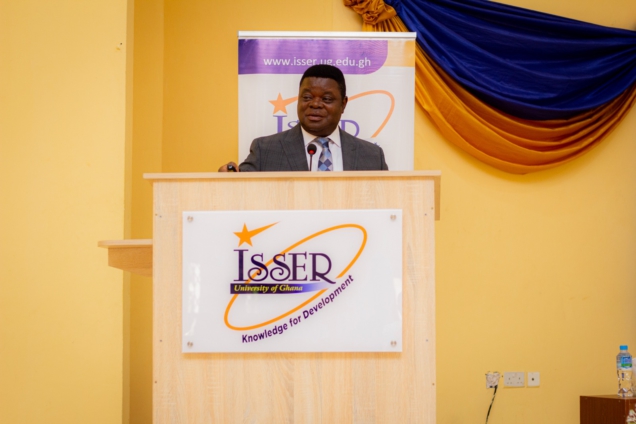
The Director of the Institute of Statistical, Social, and Economic Research (ISSER), Professor Peter Quartey, has emphasised the need for Ghana to draw lessons from Zambia's recent debt exchange programme at this year's ISSER Development Dialogue.
The event's theme, "The Effects of a Second Round of Debt Exchange in Ghana" set the stage for a valuable comparison.
Zambia successfully restructured US$6.3 billion in debt owed to official bilateral creditors. This was accomplished by extending debt maturities by more than 12 years and reducing interest rates to 1.0% for 14 years, rising to a maximum of 2.5% thereafter.
This strategic move was estimated to save Zambia approximately US$5.0 billion in debt service payments from 2023 to 2031.
In contrast, Zambia committed to repaying its official creditors around US$750 million over the next decade, a significant reduction from the nearly US$6.0 billion initially owed.
As Ghana navigates its own debt exchange journey, Prof Quartey stressed the importance of these lessons.
Ghana is currently finalizing its bilateral debt agreements, with domestic debt management posing additional challenges.
One key lesson from Zambia is the importance of preserving domestic financial stability.
Zambia chose not to restructure non-resident holdings of local currency bonds and Treasury bills, prioritizing the health of its financial sector. This decision offers Ghana valuable insights:
- The Scramble for Treasury Bills: High interest rates on Treasury Bills can worsen the debt situation and cause financial stress.
- Crowding Out of the Private Sector: Heavy government investment in Treasury Bills can discourage private sector investment, hindering economic growth.
- Impact on Lending Rates: High lending rates deter private sector borrowing, affecting businesses and economic growth.
- Financial Sector Health: Protecting the stability of the financial sector is crucial for overall economic well-being.
Professor Quartey concluded by emphasising that Ghana's ongoing debt exchange should be guided by the lessons from Zambia.
Striking the right balance between securing favourable terms and safeguarding domestic financial stability is vital, paving the way for a more stable and prosperous economic future.
Latest Stories
-
NPP national elections: 3,000–4,000 police to handle security, traffic in Kumasi – Karbo
3 minutes -
Atta Akyea fumes as Manhyia MP is to spend another night in EOCO custody
32 minutes -
SSNIT says La Beach clearance was to protect hotel investments, beaches to remain public
1 hour -
APSU congratulates St Augustine’s College after back-to-back National Investment Quiz wins
1 hour -
Renewed flood intervention at Mallam Junction raises hopes among residents, businesses
2 hours -
St Augustine’s College retain National Investment Quiz title after nail-biting grand finale
2 hours -
Education infrastructure investment will drive Banda’s development – Ahmed Ibrahim
2 hours -
Teacher unions strike: Gov’t presents fresh proposals as talks end inconclusively
3 hours -
51,000 teachers’ promotion arrears to be validated for October payment – Education Minister
4 hours -
Kwabena Boamah appointed Board Chair for Impact Investing Ghana
4 hours -
Striking teacher unions to meet Fair Wages and Salaries Commission on October 6
4 hours -
EOCO working with AG to arraign Nana Baffour Awuah before weekend court
4 hours -
Duraplast reassures customers after fire, announces October 5 reopening
4 hours -
Call off strike, gov’t will not renege on promotion arrears pledge – Haruna Iddrisu to teacher unions
4 hours -
Committee set up to validate teachers eligible for 20% deprived-area allowance – Education Minister
4 hours