

Audio By Carbonatix
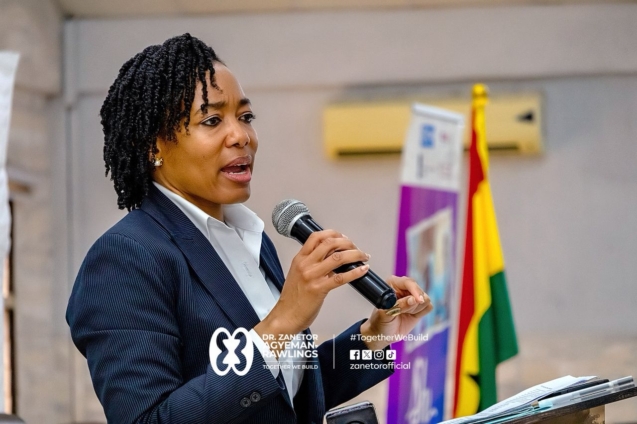
Minister-designate for Environment, Science and Technology, Dr Zanetor Agyeman-Rawlings, has urged the Environmental Protection Agency (EPA) to maintain the January 1, 2027 deadline for the ban on the production, importation, distribution, sale and use of polystyrene foam products, commonly known as Styrofoam or takeaway packs.
She said the environmental risks associated with the widespread use and improper disposal of polystyrene products were too significant to be overlooked, stressing the need for decisive measures to curb their impact.
Dr Agyeman-Rawlings made the call on Thursday, August 27, when she appeared before Parliament’s Appointments Committee in Accra for her vetting as Minister-designate.
She said the proposed ban was necessary to support broader efforts to tackle Ghana’s growing waste management challenges and promote more environmentally sustainable practices.
According to her, the EPA had already begun public education activities ahead of the implementation of the ban, citing a recent awareness campaign in Kumasi as part of preparations towards the policy.
“Mr Chairman, I believe that the EPA, just a couple of days ago, was actually in Kumasi raising awareness of the impending ban on styrofoam.
"I believe that the dangers around the use of polystyrene cannot be glossed over, and it has to be done,” she said.
Dr Agyeman-Rawlings also called for a change in public attitudes towards the use of disposable packaging, recalling a time when people commonly carried their own containers when purchasing food.
“Not to belittle the issue, but I remember as children, when you wanted to go for Auntie Naa’s rice, you took your own pot to go and buy the rice,” she said.
She questioned how the practice of using multiple layers of plastic packaging had become commonplace, saying the issue ultimately required a change in behaviour.
The National Democratic Congress (NDC) Member of Parliament (MP) for Korle Klottey said that while behavioural change could take time, incentives and penalties could be used to encourage compliance.
“Obviously, behaviour change is something that can take time, but it can be incentivised, or you can put penalties in place,” she said.
Dr Agyeman-Rawlings stressed that the effectiveness of the ban would ultimately depend on proper enforcement and the seriousness with which authorities addressed the environmental challenges posed by polystyrene products.
Latest Stories
-
Akosua Manu pushes for national emergency response to maternal deaths
19 seconds -
Bawumia feared Sri Lanka-style food crisis as Ghana battled forex shortages
8 minutes -
RTI Commission announces September activities to mark 2026 RTI Month
9 minutes -
Gold programmes helped build Ghana’s reserves and support cedi – Bawumia
23 minutes -
Mahama announces plans for net metering to allow businesses to sell excess solar power to national grid
23 minutes -
AU condemns deadly attack on UN peacekeepers in South Sudan
24 minutes -
“Coach is already working” – Kurt Okraku reveals progress on new Black Stars coach appointment
24 minutes -
Canada, UN strengthen peacekeeping capacity through military observer training in Ghana
34 minutes -
“Côte d’Ivoire are a very good team” – Kurt Okraku anticipates “interesting” clash
37 minutes -
“The psychological block of losing games no longer exists” – Kurt Okraku
44 minutes -
UN urges military observer trainers to become ‘force multipliers’
45 minutes -
NSMQ 2026: Adisadel College survives fierce contest to book quarter-final spot
45 minutes -
Motor crash kills Immigration officer, leaves policeman in critical condition
45 minutes -
Bawumia reveals how gold-for-oil and gold-for-reserves programmes were conceived
56 minutes -
Oliver Barker-Vormawor appointed Secretary of Constitution Review Implementation Committee
57 minutes