

Audio By Carbonatix
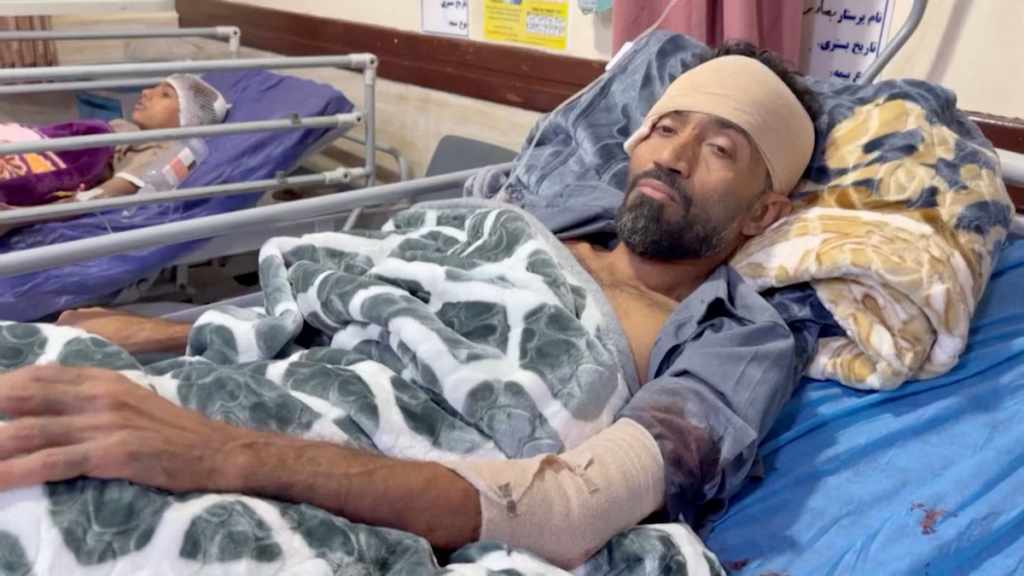
The sudden recent escalation of the Iran war has cast renewed attention on its civilian toll after Iran reported 18 dead in the last U.S. assault, including four killed and dozens wounded at a wedding.
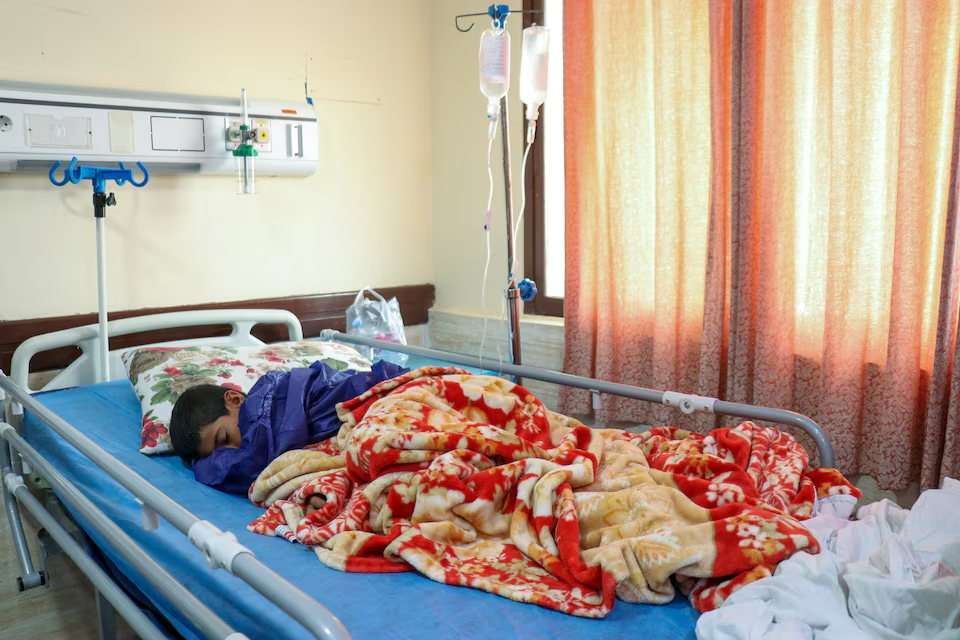
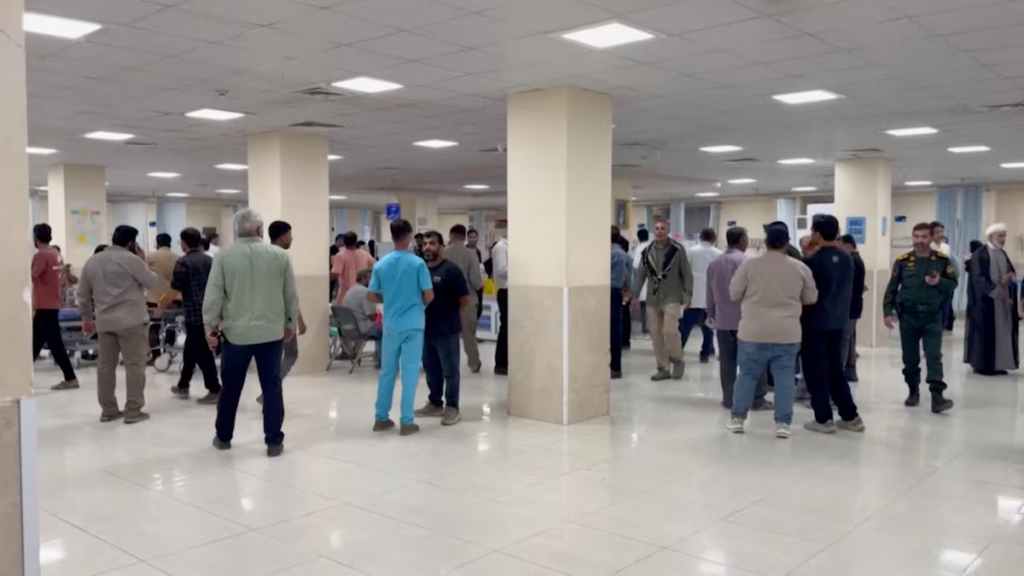
Iran's health minister said 18 people were killed and 108 wounded in Tuesday night's U.S. strikes across Iran. The Iranian Red Crescent said four people were killed and 67 wounded at a wedding ceremony near the coast of the Strait of Hormuz.
The return of combat operations has alarmed countries throughout the region, as Iran launched missile and drone attacks against what it said were U.S. assets in Bahrain, Jordan, Kuwait and Iraq. Kuwait's army reported further missile and drone attacks early Thursday, saying they were intercepted by air defense systems.
The guns had largely gone silent since the previous exchange in July, although peace talks failed to advance in the interim. U.S. President Donald Trump threatened to unleash yet more military force, even though the war is unpopular at home and has driven up the cost of gasoline.
Top aides to Trump are pushing to keep the war from escalating before November's midterm elections to staunch Republican electoral losses, and White House officials will consider ramping up military action after the vote on November 3, four people familiar with the discussions said.
Iran, for its part, has remained defiant, despite suffering heavy military and economic losses.
United Nations Secretary-General Antonio Guterres was "deeply alarmed by reports of civilian casualties, including a strike that reportedly hit a wedding ceremony in Iran," and called for an immediate cessation of military action, his spokesperson Stephane Dujarric said.
"The Secretary-General condemns all attacks against civilians. He recalls that all parties must respect their obligations under international humanitarian law, including the principles of distinction, proportionality, and precaution," Dujarric said.
The deaths would be in addition to the 3,636 people documented as killed in Iran as of April 7, including 1,701 civilians, according to the Human Rights Activists News Agency (HRANA), an independent Iranian rights group.
The U.S. has reported 18 military personnel killed and more than 750 wounded.
“We are aware of reports, which originated from Iranian state media. The U.S. military never targets civilians, unlike the IRGC," U.S. Navy Captain Tim Hawkins, a spokesperson for the U.S. military's Central Command, said in an email.
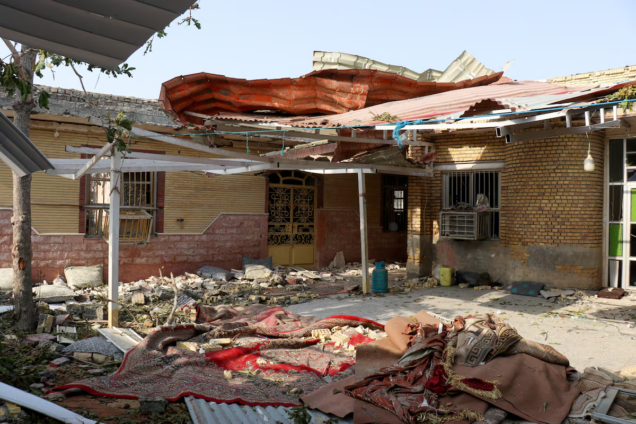
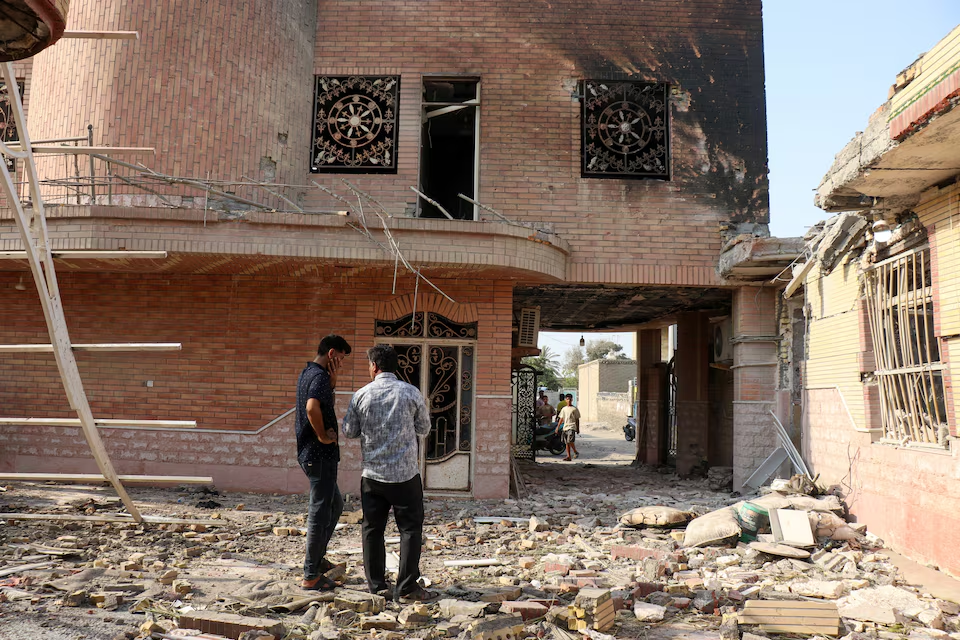
The Iranian Red Crescent Society released video showing debris strewn on the ground next to a building with a large hole in the roof, accompanied by still images showing people, some in Red Crescent vests, at a damaged building and a utility tower lying on the ground.
Reuters was able to verify the location using satellite imagery, which showed the fallen tower was 136 metres (149 yards) from the damaged building.
The wedding incident recalled the blast at a school in Minab that killed 160 peopleat a girls' school on the first day of the war.
The Pentagon has yet to issue an official finding on the Minab strike, which would be the U.S. military's largest civilian casualty incident in decades. It may have been the result of U.S. use of outdated targeting data, two sources familiar with the matter told Reuters.
Democratic members of the U.S. Congress have called on the administration to release findings of its investigation of the incident, but the report has not been sent to lawmakers.
U.S. defenders of the Iran war also point to civilian deaths that resulted from Iranian attempts to put down street protests that embroiled the country in December and January, before the U.S. and Israel attacked Iran on February 28. HRANA has put that death toll at more than 7,000, while Iranian exile groups claim the number is much higher.
Trump has cited an incentive for Iranians to overthrow their government as one reason for the war, in addition to seeking to halt Iran's nuclear program and ending its support for militant groups abroad such as Hamas, Hezbollah and the Houthis.
Iran has also responded to the U.S. attacks by threatening any oil tankers that transit the Strait of Hormuz without Iranian authorization, severely curtailing traffic in a waterway that before the war carried 20% of the world's oil supply.
Latest Stories
-
Examination malpractice is rising, not declining – EduWatch
18 minutes -
Credit Unions encouraged to use technology to improve service
19 minutes -
GBA President calls for reasonable, proportionate bail conditions
24 minutes -
NAGRAT calls for end to political influence on WAEC results
26 minutes -
GBA to announce position on Tribunals Law soon – GBA President
27 minutes -
WAFU B U-17 Girls Cup: Joe Nana Adarkwa eyes title defence with Black Maidens
29 minutes -
GFA opens disciplinary case against GoldStars CEO Kwasi Adu
29 minutes -
Education Ministry welcomes Catholic Bishops’ call for CSSPS review
32 minutes -
2026 Women’s Super Cup set for September 23 to September 29 in Prampram
40 minutes -
Rennes register Ghana defender Alidu Seidu for Europa League amid Nice interest
45 minutes -
Deliberate VAT evasion will attract penalties — GRA
48 minutes -
If the Ghana Premier League is financially weak and structurally fragile, Africa will expose its weaknesses
60 minutes -
Accra-Kumasi Expressway: 48 Engineer Regiment can deliver if well resourced – Political Lecturer
1 hour -
Businesses above GH¢750,000 turnover must register for VAT – GRA
1 hour -
Kenya confirmed hosts of World Athletics Championships 2029
1 hour