

Audio By Carbonatix
Ghana should focus on rebuilding investor confidence and improving its credit rating before seeking to borrow again on the international capital markets, the International Monetary Fund (IMF) has cautioned.
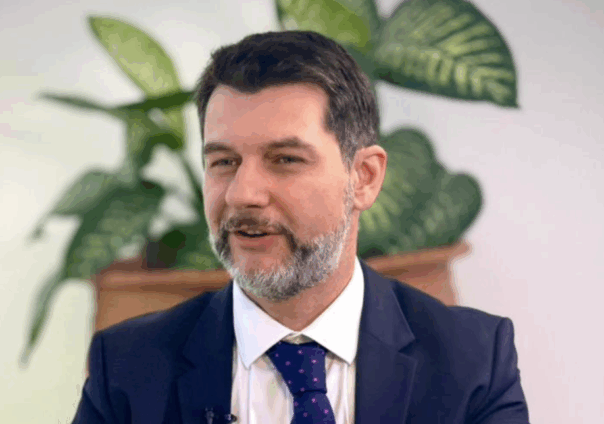
The IMF Resident Representative in Ghana, Dr Adrian Alter, said the country’s immediate priority should be to consolidate the gains from its debt restructuring and strengthen its domestic financing capacity rather than rush back to external commercial borrowing.
Ghana’s debt position has improved significantly under the IMF-supported programme, with the latest Debt Sustainability Analysis moving the country from a high risk of debt distress to moderate risk.
Dr Alter said central government debt had also declined to about 45% of GDP, a level the Fund had initially projected Ghana would only reach by 2034.
He said the progress had created an opportunity for Ghana to gradually regain access to capital markets, but stressed that improved creditworthiness would be critical to keeping borrowing costs manageable.
“I would say Ghana needs first to re-establish itself, and it needs to improve its rating,” Dr Alter said in an interview with Channel One TV on Monday, August 24, 2026.
He noted that the government’s medium-term objective of achieving investment-grade status could significantly reduce the cost of borrowing, both domestically and internationally.
He added that the reopening of Ghana’s domestic bond market in March was an important first step, with government subsequently issuing a seven-year local-currency bond.
Dr Alter also pointed to Ghana’s substantial financing requirements, including debt refinancing and expenditure on development projects, saying these would require a carefully managed debt issuance strategy.
He stressed that reducing interest costs was particularly important because debt servicing currently consumes about one-third of government expenditure.
According to him, lowering borrowing costs would give government greater room to finance salaries, social programmes and capital expenditure.
He said additional development spending could also be supported through stronger domestic revenue mobilisation, while the IMF’s broader objective remained to help Ghana eliminate economic imbalances and restore its ability to finance its needs from sustainable domestic and international sources.
Latest Stories
-
We should take these concerns from Afenyo-Markin and others seriously – Inusah Fuseini
3 hours -
We are in trouble – Inusah Fuseini warns MPs are trading away public trust
3 hours -
They’re standing for themselves, not us – Inusah Fuseini warns MPs over self-interest
4 hours -
Oranges, sardines and eggs could help protect people exposed to air pollution, Ghana study finds
4 hours -
Canada announces ‘dollar-for-dollar’ retaliatory tariffs on US as high as 50%
4 hours -
Fisherman jailed three months for causing harm at Teshie
4 hours -
Journalists cautioned against exposing cyber vulnerabilities
4 hours -
Firms scramble for battery power in Spain and Portugal
5 hours -
California cancels talks with Paramount over Warner Bros deal
5 hours -
AI-generated music barred from Australian charts after Madonna cover controversy
5 hours -
Private security firms acting as political militias risk licence revocation, prosecution – National Security Coordinator
5 hours -
Musk’s SpaceX to build $100bn launch facility in Louisiana
5 hours -
Antoine Semenyo makes history as first Ghanaian named in PFA Team of the Year
5 hours -
Mahama calls for responsive healthcare regulation to improve patient safety
6 hours -
IERPP accuses GoldBod of breaching transparency law, says quarterly trading reports removed from website
6 hours