

Audio By Carbonatix
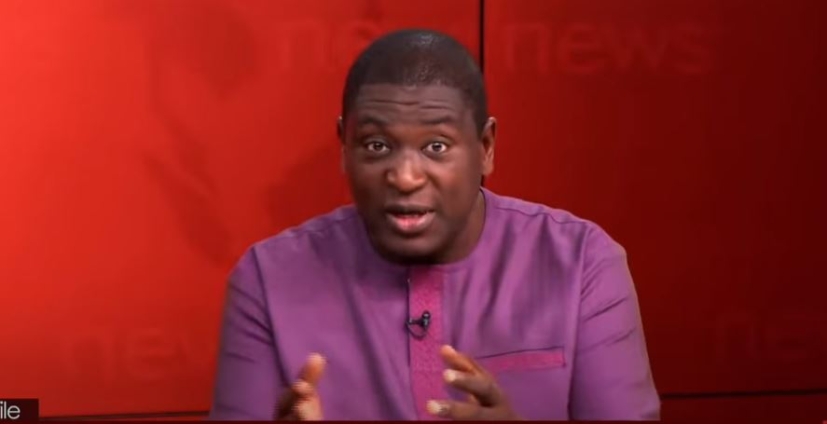
Energy analyst Kwadwo Poku has welcomed the government’s decision to reduce diesel prices by GH¢2 per litre, describing it as a relief for consumers, but has cautioned that the intervention does not address the long-term challenges facing Ghana’s petroleum sector.
Speaking on JoyNews' The Pulse on Monday, August 3, Mr Poku said any reduction in fuel prices would have a positive impact on consumers, many of whom have been affected by rising transportation and operational costs.
“Any reduction that gives us the breather helps us have a good day,” he said.
However, he expressed concern that repeated short-term interventions, including the removal of subsidy margins, could create difficulties for players within the petroleum value chain.
According to him, the government’s decision to absorb part of the cost could affect service providers who depend on those margins to operate, potentially worsening arrears within the sector.
“The problem is that all of these governments must have a long-lasting solution and removal of the subsidy margins,” Mr Poku said.
He argued that rather than periodically reducing fuel prices when they rise, government must develop a comprehensive strategy that addresses the underlying issues driving price increases.
“If the situation escalates next week or by the end of the weekend and the prices go past eight cedis, then what do you do? Do you go back to reduce another two cedis?” he asked.
The energy analyst also raised concerns about existing taxes and levies within the petroleum pricing structure, noting that some charges introduced during periods of lower fuel prices have remained even as market conditions have changed.
He said government must consider a broader review of the pricing framework rather than relying on temporary relief measures.
Mr Poku acknowledged that global developments, including tensions in the Middle East, continue to influence crude oil prices and make fuel price stability challenging.
He maintained that Ghana requires a more holistic policy response to protect consumers while ensuring petroleum sector players remain financially sustainable.
“The government must have a much more holistic view of what is happening around the world and put in place something more permanent than just the short-term measures that we have,” he added.
Latest Stories
-
The Law 101: GBA states pure law and convention about Legal Vacation (Part III)
7 minutes -
Pray – THE LAW 101: The Vacation Roster dilemma and the reality of Court Recess (Part II)
24 minutes -
Trump hid in catering truck in secret plane swap over Iran threat, reports say
30 minutes -
Inside the Secret Service ‘shell game’ to hide US presidents in plain sight
32 minutes -
GEA seeks Gender Ministry’s support for Female Future Programme
43 minutes -
Driver beaten to death over misunderstanding at Gomoa Achiase
53 minutes -
Bagre Dam spillage: 68 communities in Northern region alerted as Burkina Faso monitors water levels
54 minutes -
ECG announces power outages in Central, Eastern and Western Regions on Thursday
57 minutes -
THE LAW 101: Tempus Non Currit – Why the sacred silence of the Legal Vacation protects justice (Part I)
2 hours -
God does not take campaign instructions
2 hours -
Government moves to address rising accommodation costs at KNUST
2 hours -
Cristiano Ronaldo marries longtime love Georgina Rodríguez in Portugal
2 hours -
Political parties, judiciary must reform themselves to protect Africa’s democracy – Asiedu Nketia
2 hours -
Luv FM High School Debate: T.I AMASS advances as IBASS makes impressive debut
2 hours -
Greater Accra Business Merit Awards honours SIM Group of Companies
2 hours