

Audio By Carbonatix
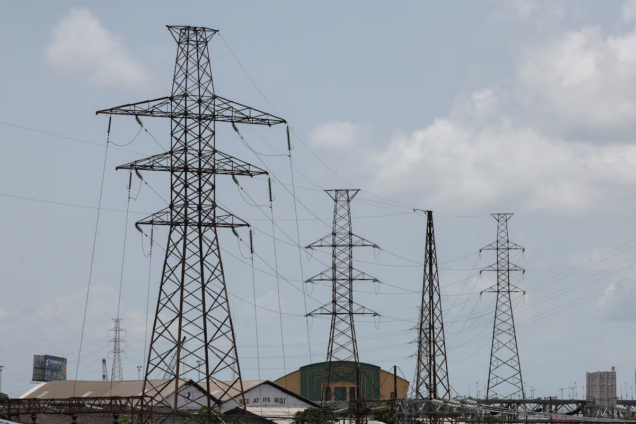
Ghana’s electricity generation continued to decline, recording a 3.99% decrease on a month-on-month basis in July 2026, but increasing by 6.20% year-on-year, a Fact Sheet from the Public Utilities Regulatory Commission (PURC) has disclosed.
This indicates sustained annual growth despite lower output in July as a result of seasonal changes in demand that is lower demand due to improved weather conditions.
According to the report, generation remained resilient, however, the intermittent decline in generation highlights the need to closely monitor generation availability and fuel supply to ensure a reliable electricity supply.
The Fact Sheet provides a snapshot of Ghana’s electricity supply performance for July 2026, highlighting key data on electricity generation, the generation mix, system demand, available generation capacity, reserve margin, and cross-border electricity trade.
It also presents data on the fuel supply supporting thermal power generation, including natural gas consumption, gas supply performance, liquid fuel utilization, and thermal generation capacity. The analysis is based on data compiled from the Daily Generation Reports of the Ghana Grid Company Ltd. (GRIDCo) for July 2026.
Electricity Generation Sources
As of July 2026, the country’s existing electricity generation mix comprised hydro, thermal, and renewable generation sources.
According to the Fact Sheet, thermal power remained the dominant source of electricity generation, contributing 74.33% of total electricity generated in July 2026.
Similarly, the hydro and solar generation together contributed 25.67% of total electricity generation.
It added that the current generation mix suggests that fuel availability and thermal plant performance remain critical determinants of electricity supply reliability.
System Peak Demand
The system peak continued to decline in July 2026, recording the lowest peak demand following successive declines from the annual peak in April.
It, however, continues to increase year on year (compared to July 2025), an increase of 6.61%, indicating sustained growth in electricity demand.
The national electricity system recorded a peak demand of 3968 megawatts in July 2026.
Latest Stories
-
Accra-Kumasi Expressway: 48 Engineer Regiment can deliver if well resourced – Political Lecturer
6 minutes -
Businesses above GH¢750,000 turnover must register for VAT – GRA
10 minutes -
Kenya confirmed hosts of World Athletics Championships 2029
21 minutes -
No more pothole ambulance rides: Mahama’s roads will change lives – Agbodza tells Upper West farmers
45 minutes -
‘Physically better’ Kudus can start against Liverpool – De Zerbi
51 minutes -
Bonsu Baah sets up opener in Al Qadsiah win over Al Wasl
1 hour -
Ghana has now become a distribution hub for drugs
1 hour -
Africa Nations Volleyball Championship: Ghana’s Black Spikers leave for tournament in Tunisia
2 hours -
Today’s Front pages: Tuesday, September 15, 2026
2 hours -
Auditing the Auditor-General: How special audit understated a COVID-19 expenditure
3 hours -
A Partnership for Progress: Why the ProMark–KPMG collaboration matters for Africa’s digital assets future
3 hours -
Catholic Bishops pressure gov’t to sign long-delayed mission schools agreement
4 hours -
Cedi under fresh pressure as Christmas import demand drives dollar surge
4 hours -
Ato Forson eyes first-week November for 2027 Budget, promises jobs and major infrastructure push
4 hours -
Catholic Bishops demand probe into ‘protocol admissions’ amid SHS placement challenges
5 hours