

Audio By Carbonatix
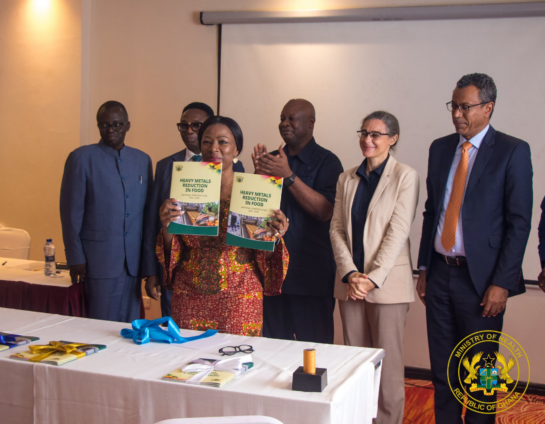
Ghana has launched a five-year National Strategic Plan for Heavy Metals Reduction in Food (2026–2030) aimed at reducing exposure to harmful contaminants and strengthening food safety across the country.
The plan seeks to address the risks posed by heavy metals, including lead, cadmium, mercury and arsenic, which can enter the food system through environmental contamination, agricultural practices, food processing and packaging.
Children and pregnant women are particularly vulnerable to the harmful effects of exposure to these contaminants.
Speaking at the launch, Deputy Minister for Health, Prof. Dr Grace Ayensu-Danquah, described food safety as a key foundation for national development.
She said ensuring access to safer food would help protect public health, build consumer confidence, support the food industry and improve the competitiveness of Ghanaian products on local and international markets.
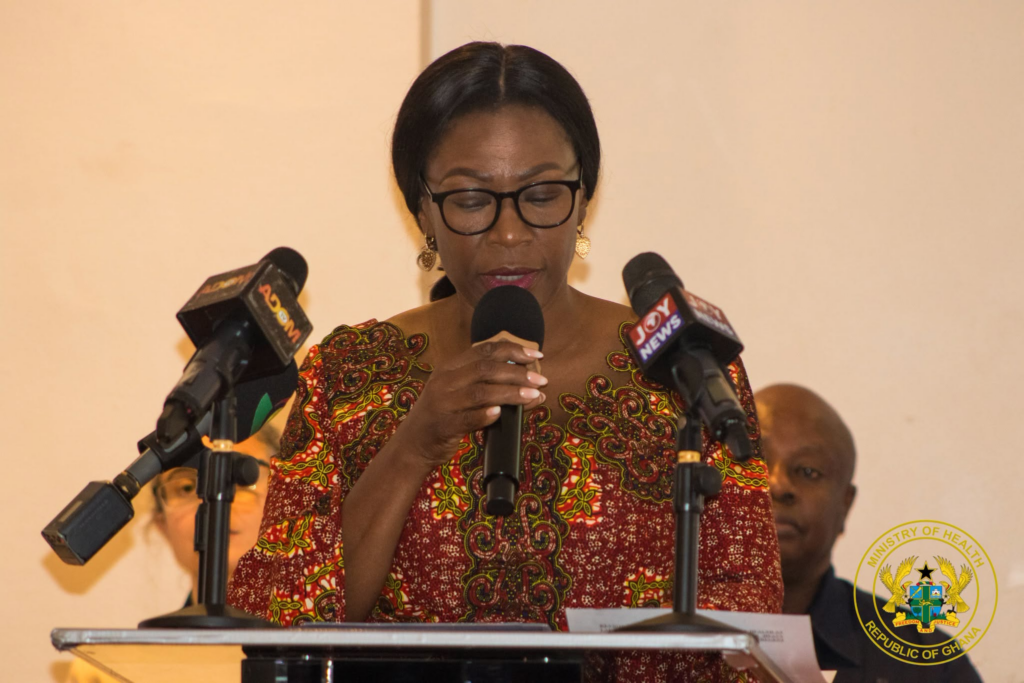
According to her, the strategic plan provides a coordinated framework for strengthening regulation, surveillance, laboratory capacity, industry compliance, research and public education on heavy-metal contamination.
She also stressed the need for effective coordination and accountability among institutions responsible for food safety to ensure the plan achieves its objectives.
Prof. Ayensu-Danquah commended UNICEF for its technical and financial support towards the development of the plan and called on all relevant stakeholders to support its implementation.
The Deputy Chief Executive of the Food and Drugs Authority (FDA), Roderick Daddey-Adjei, said the plan was developed through extensive consultations with key stakeholders.
He noted that the FDA, with support from UNICEF, had generated evidence on heavy-metal contamination in selected food products, providing a basis for targeted interventions under the new strategy.
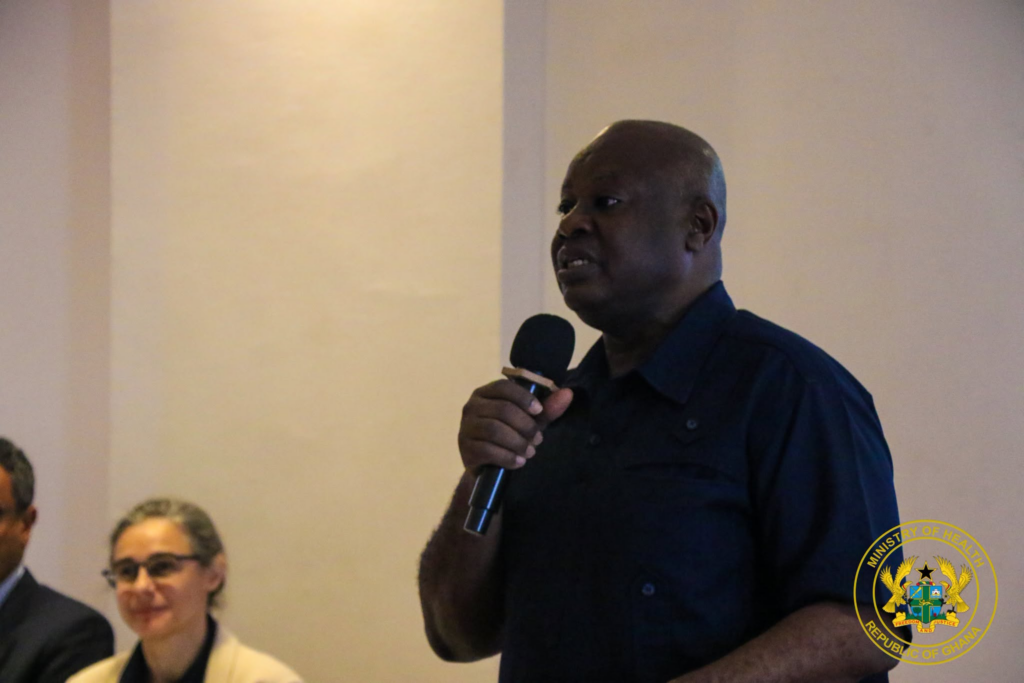
The five-year plan is expected to strengthen Ghana’s capacity to detect, monitor and control heavy metals across the food chain, while improving collaboration between institutions involved in food safety.
The launch brought together representatives from the Ministry of Health, FDA, Ministry of Food and Agriculture, Environmental Protection Agency, Ghana Standards Authority, Minerals Commission, UNICEF, academia, industry, civil society organisations and other development partners.
The stakeholders are expected to play a key role in implementing the plan and promoting safer food practices across the country.
Latest Stories
-
Baffour Awuah arrested after surrendering to EOCO
2 minutes -
Baffour Awuah cooperating with investigators after surrender and arrest – EOCO
21 minutes -
Destruction of aspirants’ posters breaches democracy—Ashanti NPP Communications Director
30 minutes -
BNI investigates Ampofo Ankrah over alleged $623,000 World Cup visa scheme
42 minutes -
NPP National Delegates Conference: Police announce road closures, diversions around Baba Yara Stadium
50 minutes -
Agric Committee demands financing plan for Pwalugu Irrigation Project before 2027 Budget
53 minutes -
Minority calls for the immediate suspension of Ghana-Colombia maritime agreement
1 hour -
Ghanaian professional Sydney Hushie appointed UNFPA Chief of Digital Centre of Excellence
1 hour -
GHS urges health managers to use community scorecards to improve healthcare delivery
1 hour -
Ekyeamamfrom-Pivot irrigation project 90% complete but stalled over unpaid certificates
1 hour -
When the Gavel speaks, where is the choir that once sang for Wontumi?
1 hour -
NPP does not need a new chairman: It needs a brand architect
1 hour -
GNFS contains fire at Avenor North Industrial Area in Accra
1 hour -
NITA appoints Anthony Owusu-Ansah as Acting Deputy Director-General
2 hours -
RANA warns Salomey Bafoh case could have chilling effect on free expression
2 hours