

Audio By Carbonatix
Ghana and Japan are exploring deeper cooperation in space science, technology and innovation, with both countries highlighting the potential of international partnerships to support national development.
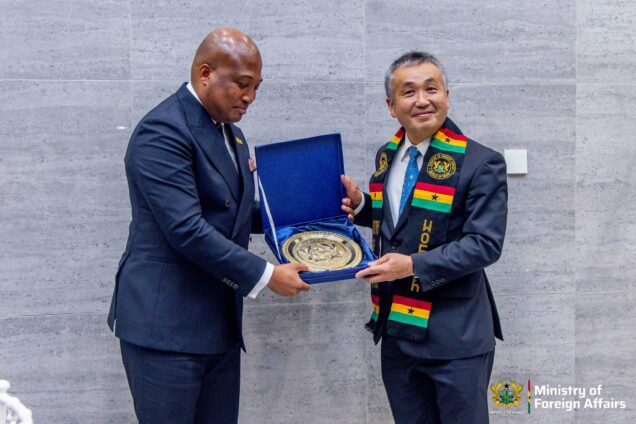
The commitment was expressed when Foreign Affairs Minister Samuel Okudzeto Ablakwa hosted Japanese astronaut and Chief Technology Officer for Asia Pacific at Axiom Space, Dr Koichi Wakata, for a dinner at the Ministry of Foreign Affairs in Accra on September 15, 2026.
Dr Wakata is in Ghana from September 15 to 19 as part of engagements aimed at promoting knowledge exchange and exploring opportunities for stronger collaboration between the two countries.
Welcoming Dr Wakata, Mr Ablakwa assured him of the Ministry’s readiness to coordinate and support international partnerships that advance Ghana’s national and strategic interests.
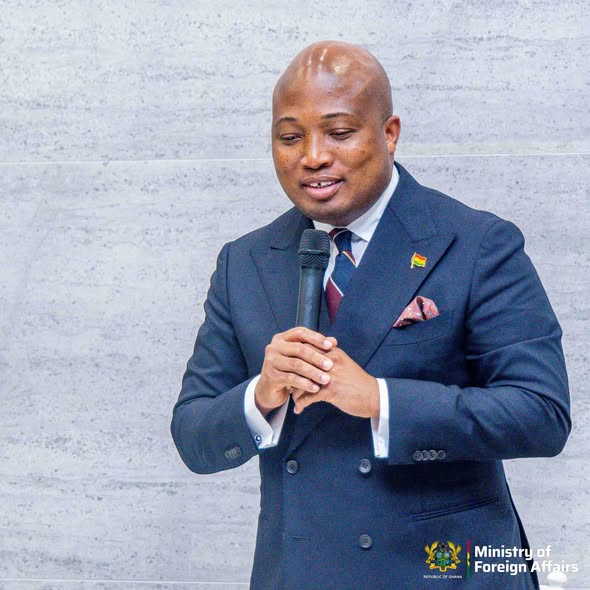
He said space exploration was a global undertaking that required collaboration among countries, scientists, engineers and institutions.
The Minister also noted that 2027 would mark the 70th anniversary of formal diplomatic relations between Ghana and Japan, recalling Japan’s longstanding contributions to Ghana in science, research and public health.
Mr Ablakwa further welcomed Dr Wakata’s planned engagements with Ghanaian students, stressing the importance of exposing young people to opportunities in science, technology and innovation.
Chief Director of the Ministry of Foreign Affairs, Ambassador Khadija Iddrisu, said space technology was becoming increasingly important to national development.
She noted that satellite technologies and data were already supporting sectors such as communications, agriculture, environmental monitoring, disaster management and national security.
Ambassador Iddrisu said Ghana needed to take practical steps to build its capacity to harness these technologies, describing Dr Wakata’s visit as an opportunity for knowledge exchange and to stimulate greater interest in space science and technology.
She expressed the hope that the engagement would lead to new exchanges and partnerships between Ghana and Japan in areas that support Ghana’s development objectives.
Japanese Ambassador to Ghana, Hiroshi Yoshimoto, described Dr Wakata as a distinguished figure in Japan and the global space community.
He said Dr Wakata had undertaken five space flights and spent a cumulative 504 days in space, including participating in the construction of the International Space Station (ISS).
He also noted that Dr Wakata became the first Japanese astronaut to serve as Commander of the ISS in 2014.
Ambassador Yoshimoto recalled Japan’s support for Ghana’s space programme, particularly the launch of Ghana’s first satellite, and said Dr Wakata’s visit provided an opportunity to build on that experience.
He expressed Japan’s readiness to deepen collaboration with Ghana in science, technology and space-related fields.
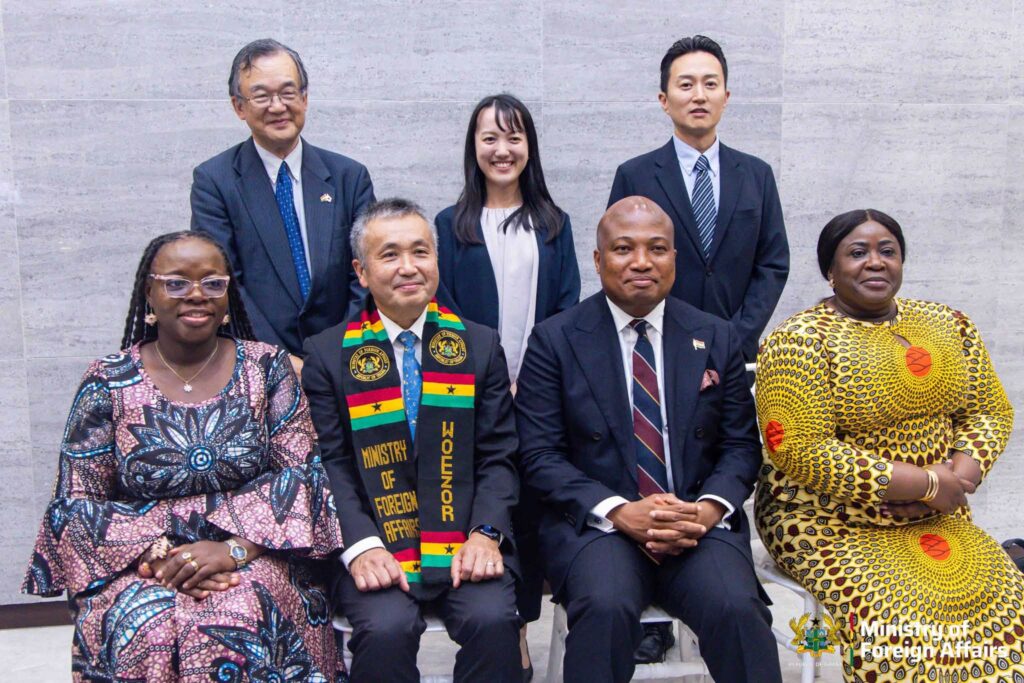
Vice-Chancellor of the University of Ghana, Professor Nana Aba Appiah Amfo, highlighted the University’s longstanding partnership with Japan, particularly in research, science and capacity development.
She cited the Noguchi Memorial Institute for Medical Research and other initiatives at the University as examples of Japan’s contribution to Ghana’s academic and research development.
Prof. Amfo said partnerships remained a key priority under the University’s 2024-2029 Strategic Plan and expressed readiness to expand collaboration in science, technology and innovation.
She also welcomed Dr Wakata’s planned interaction with the University community, saying it would provide students and researchers an opportunity to learn from his experience.
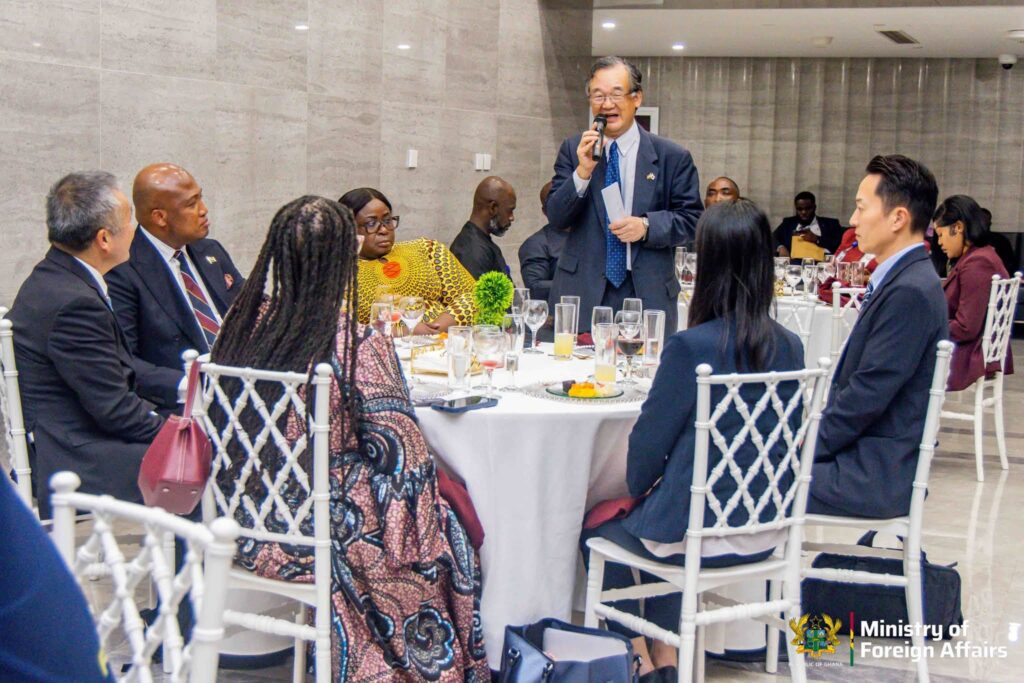
Dr Koichi Wakata recounted his journey into space, saying his interest began at the age of five after witnessing the Apollo 11 Moon landing.
Although becoming an astronaut appeared beyond his reach at the time, he said international collaboration eventually enabled him to work with scientists and engineers from around the world and fly aboard the Space Shuttle, the Russian Soyuz spacecraft and SpaceX Crew Dragon.
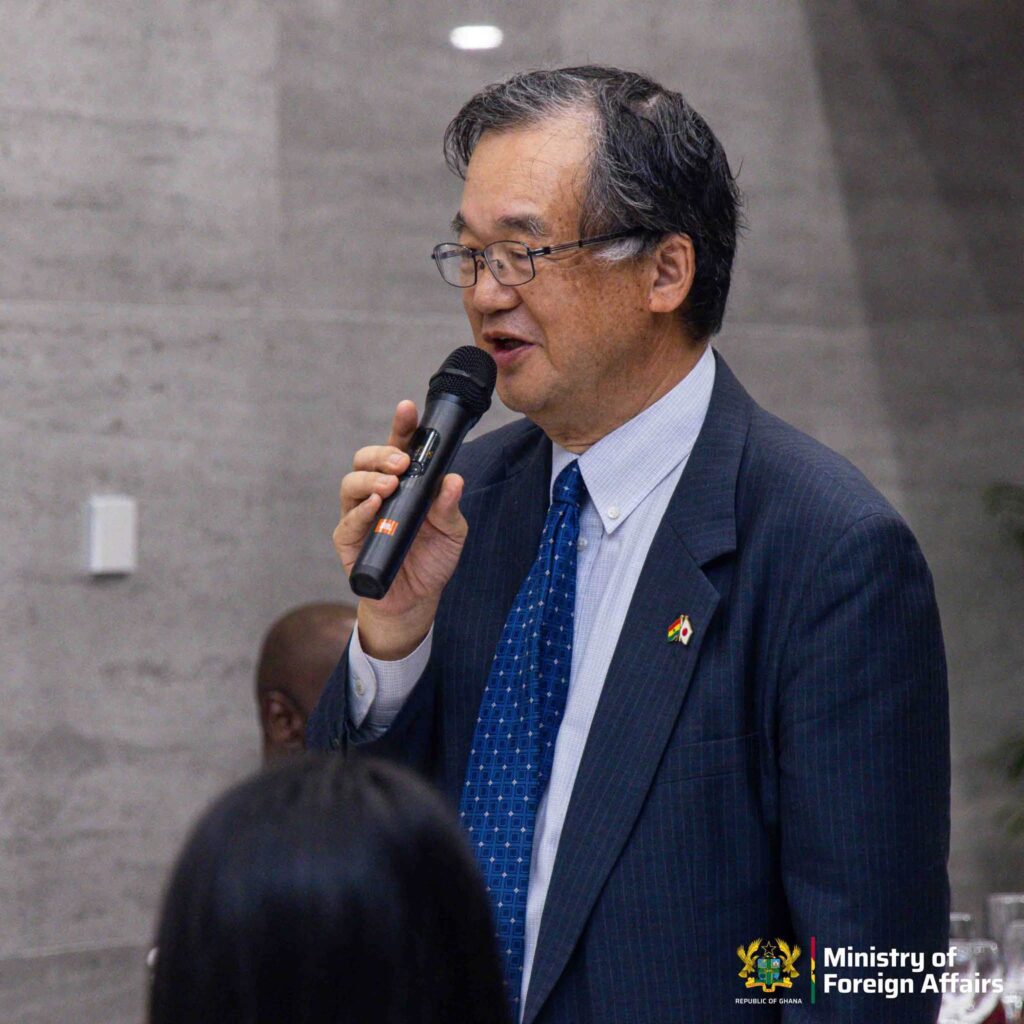
He encouraged young Ghanaians to pursue careers in science, technology and engineering, stressing the importance of international cooperation and supportive frameworks in turning scientific ideas into practical achievements.
Dr Wakata also highlighted the need for sustainability in space, including the recycling of resources aboard the ISS and addressing the growing challenge of space debris to ensure future generations can safely explore and use space.
Students of Presbyterian Boys’ Secondary School (PRESEC), Legon, winners of the 2026 National Science and Maths Quiz (NSMQ) for a record ninth time, also attended the event.
They had the opportunity to interact with Dr Wakata and draw inspiration from his experiences in human spaceflight and space exploration.
The astronaut’s visit to Ghana forms part of broader engagements aimed at strengthening knowledge exchange and exploring opportunities for collaboration between Ghana and Japan in space science, technology and innovation.
Latest Stories
-
Ashanti region records 25% drop in maternal mortality in first half of 2026
4 minutes -
Ghana’s unemployment situation is ‘scary’ – NSA Ashanti regional Director
11 minutes -
Photos: Mahama chairs security meeting over drug trafficking through Ghana’s ports
16 minutes -
Constitutional Review: 5-year term means extra year to amass wealth, loot state coffers — Ansa-Asare
19 minutes -
Bekwai MP rewards top BECE performers as academic results improve
19 minutes -
NIA marks Identity Day with public education float, mass registration exercise
22 minutes -
Mahama directs inter-agency task force to submit roadmap to deal with drug trafficking in two weeks
23 minutes -
Gender Ministry tasks women in media to drive Affirmative Action Act implementation
25 minutes -
MoFA launches National Horticultural Seed Roadmap to improve access to quality seeds
28 minutes -
10 people, including 4 Customs officers held as Ghana probes drug trafficking through ports
37 minutes -
Kwabenya Court denies bail to six over suspected 3.9-tonne cocaine shipment
46 minutes -
Sports Ministry spent $1.26m on 2,922 World Cup tickets — Kofi Adams
55 minutes -
India faces 100% tariff threat over Russian oil after US House vote myjoyonline
1 hour -
The importance of World Tourism Day celebrations in Ghana and across the globe
1 hour -
Over 100 pupils cram into one classroom as Amantin Basic School battles congestion
1 hour