

Audio By Carbonatix
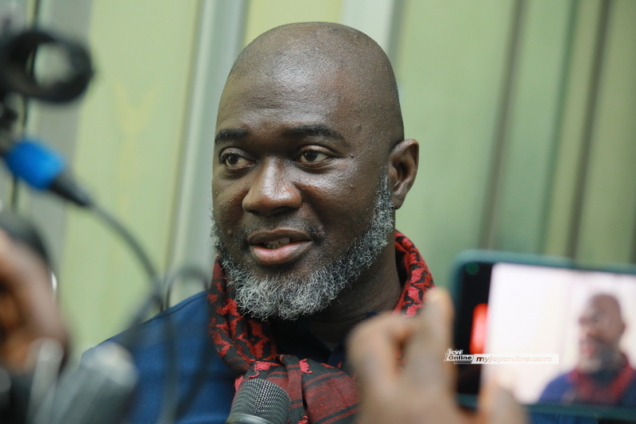
The Executive Secretary of the Chamber of Petroleum Consumers (COPEC), Duncan Amoah, has cautioned political actors against using veiled threats in Ghana’s political discourse, warning that such rhetoric could undermine democratic accountability.
He said suggestions that political opponents would face retaliation when there is a change in government could discourage legitimate investigations and create a culture where public officials fear accountability.
The comments follow the New Patriotic Party’s “Democracy Under Attack” demonstration on August 6, 2026, during which the party raised concerns about alleged political persecution and threats to democratic governance.
Duncan Amoah, however, disagreed with the suggestion that Ghana’s democracy was currently under attack, arguing that citizens and political parties continued to have the space to express their views and challenge government decisions.
“My personal view is no,” he said when asked whether democracy was under attack in Ghana.
He however, expressed concern about what he described as an increasing use of subtle threats in political conversations, particularly statements suggesting that those currently in power could face reprisals when the political tide changes.
“What is concerning is the growing tendency for subtle threats to enter our political discourse. You see a threat from the opposition that says the tables will turn and we will do things to you. You hear functionaries sometimes issue those threats,” he said.
He said such comments could create the impression that investigations into alleged wrongdoing should be halted because those being scrutinised could eventually return to power.
“What you are indirectly saying is that even if we did wrong, or adverse findings are made against us, do not go after us because someday you may not be in power,” he stated.
Speaking on Citi FM on Saturday, August 8, Mr Amoah said political interests should not be allowed to take precedence over accountability, stressing that the consequences would ultimately be borne by the wider population.
“If we allow this country to be governed that way, it is not the NPP or NDC that suffers; it is the people,” he said.
Latest Stories
-
The rise of AI in the classroom: Balancing technological innovation with critical thinking
9 minutes -
Five arrested over alleged MoMo robbery syndicate in Upper West
14 minutes -
UEW journalism students call for practical media studio
18 minutes -
Beyond certification: How Bawaa the artist is helping young creatives turn talent into opportunity
25 minutes -
The Law 101: Vacation warrants and the role of the CJ (Part IV)
42 minutes -
The Law 101: GBA states pure law and convention about Legal Vacation (Part III)
47 minutes -
Pray – THE LAW 101: The Vacation Roster dilemma and the reality of Court Recess (Part II)
1 hour -
Trump hid in catering truck in secret plane swap over Iran threat, reports say
1 hour -
Inside the Secret Service ‘shell game’ to hide US presidents in plain sight
1 hour -
GEA seeks Gender Ministry’s support for Female Future Programme
1 hour -
Driver beaten to death over misunderstanding at Gomoa Achiase
2 hours -
Bagre Dam spillage: 68 communities in Northern region alerted as Burkina Faso monitors water levels
2 hours -
ECG announces power outages in Central, Eastern and Western Regions on Thursday
2 hours -
THE LAW 101: Tempus Non Currit – Why the sacred silence of the Legal Vacation protects justice (Part I)
2 hours -
God does not take campaign instructions
3 hours