

Audio By Carbonatix
The World Health Organisation (WHO) is set to declare an artificial sweetener as a possible cause of cancer.
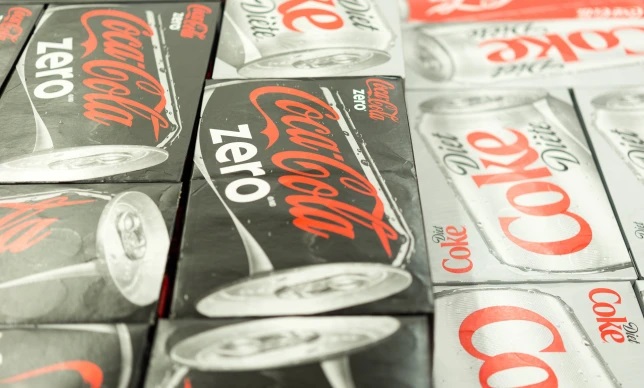
Aspartame is used in popular products like Coca-Cola’s diet drinks and Mars Extra chewing gum.
But next month, the WHO is set to list it as ‘possibly carcinogenic to humans’, according to two sources with knowledge of the process.
The ruling won’t take into account how much aspartame someone can consume safely – that advice comes separately from a WHO expert committee on food additives.
The organisation’s committee on additives is reviewing aspartame use this year, and will announce its findings on July 14, the same day the decision on whether to declare it as carcinogenic is published.
A spokesman for the International Agency for Research on Cancer (IARC), the WHO’s dedicated cancer research arm which has been looking into the sweetener, said its findings were ‘confidential’ until July.
The additives committee ‘conducts risk assessment, which determines the probability of a specific type of harm to occur under certain conditions and levels of exposure’.
Since 1981,the additives committee has said aspartame is safe to consume within daily limits.


For example, an adult weighing 60 kg (132 pounds) would have to drink between 12 and 36 cans of diet soda – depending on the amount of aspartame in the beverage – every day to be at risk.
This view has been widely shared by national regulators, including in the United States and Europe.
The IARC’s rulings can have a huge impact – but have also sparked criticism over warnings about hard-to-avoid substances and situations.
It previously classed working overnight and eating red meat as ‘probably cancer-causing’, and using mobile phones as ‘possibly cancer-causing’.
The International Sweeteners Association has criticised the IARC’s decision-making, saying: ‘IARC is not a food safety body and their review of aspartame is not scientifically comprehensive and is based heavily on widely discredited research.’
The International Council of Beverages Associations’ executive director Kate Loatman said public health authorities should be ‘deeply concerned’ by the ‘leaked opinion’, and also warned it ‘could needlessly mislead consumers into consuming more sugar rather than choosing safe no- and low-sugar options’.
Sources close to the IARC say classing aspartame as a possible carcinogen should motivate more research into the sweetener.
Last month the WHO advised people not to use non-sugar sweeteners while attempting to lose weight, causing uproar in the food industry.
Latest Stories
-
Netherlands Fire Chief in Ghana to support fire safety reforms and market fire prevention efforts
3 hours -
Mason goes on remand for stealing
4 hours -
Gov’t cuts fuel taxes, deploys buses to curb impact of rising fuel prices
4 hours -
Interior Minister calls for intelligence-driven strategy as Ghana strengthens counter-terrorism efforts
4 hours -
Adenta Circuit Court remands Pastor William Gyimah over viral threats against Vice President
5 hours -
“We’ve implemented changes to prevent a repeat of the AFCON final” – CAF President Motsepe
5 hours -
Gov’t orders deployment of Metro Mass buses to cushion commuters amid fuel price hike
6 hours -
Key Indian state polls begin in test for Modi’s party
6 hours -
Playback: Gomoa Easter Carnival in photos
6 hours -
Gov’t orders removal of fuel taxes to ease pump price hikes
6 hours -
“Whatever the decision of CAS, we will respect it” – CAF President Motsepe after AFCON final meetings in Morocco
6 hours -
Emma Ankrah: When waiting becomes part of treatment – Reflections on hospital care
6 hours -
Ghana urges travellers to prepare for new EU border system roll-out
7 hours -
Mahama enforces fuel coupon ban for ministers as cabinet moves to slash fuel taxes
7 hours -
Task force probes strange fish deaths in Tema
7 hours