

Audio By Carbonatix
The Ghana AIDS Commission, in collaboration with the AIDS Healthcare Foundation (AHF), has called for stronger media engagement and responsible communication to support efforts to end AIDS as a public health threat in Ghana.
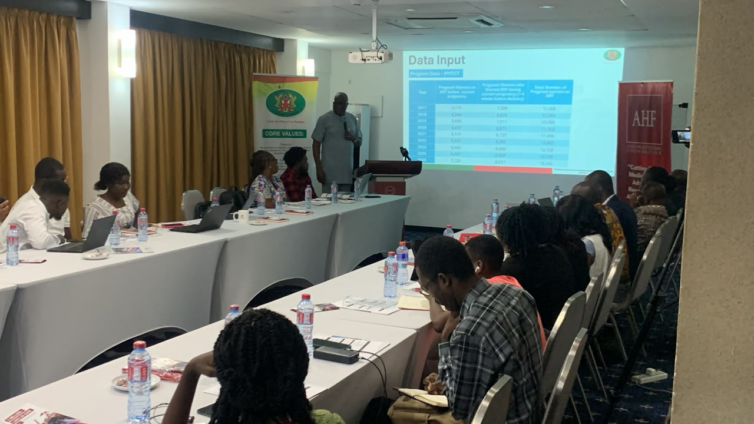
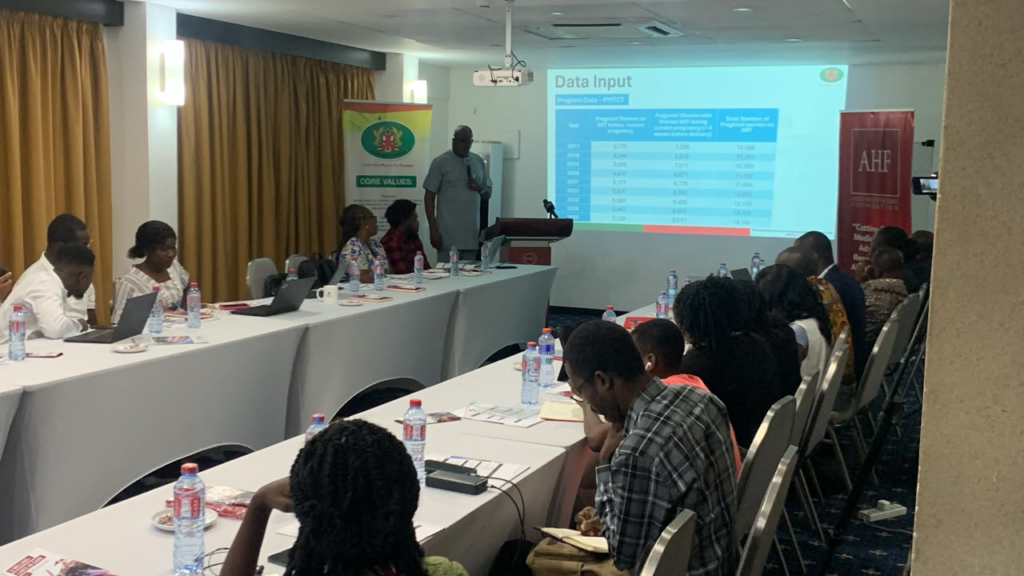
The call was made during a media engagement programme focused on improving HIV reporting, addressing stigma, and promoting accurate public awareness about the spread of HIV and national and subnational HIV estimates on Tuesday, August 4.
In his welcome remarks, Director General of the Ghana AIDS Commission, Dr Kharmacelle Prosper Akanbong, stressed the important role of the media in shaping public perceptions and influencing behaviours.
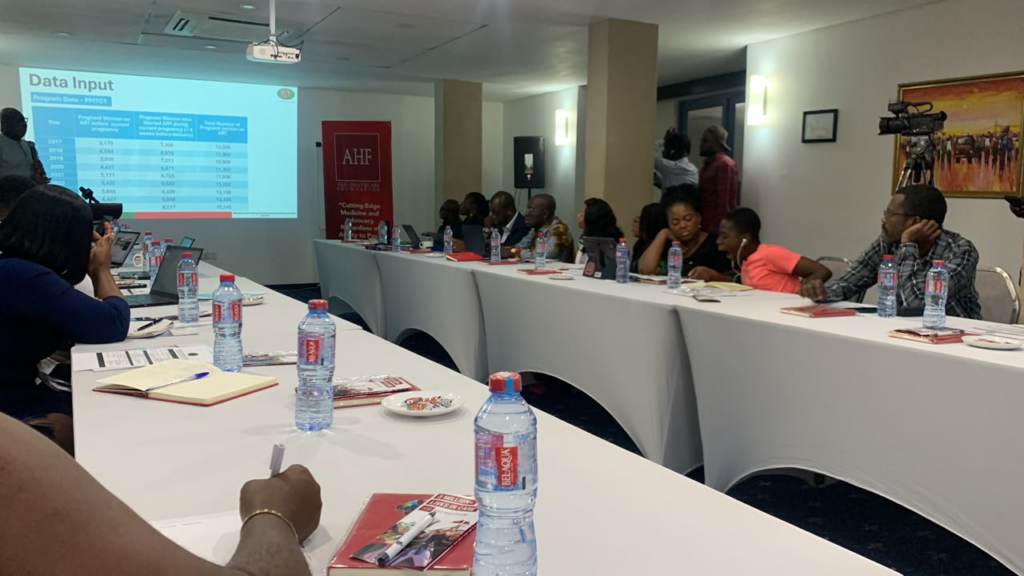
“As media partners, you are not merely reporters of events. You are strategic partners in Ghana’s efforts to end AIDS as a public health threat. Every headline you write, every radio discussion you moderate, every television interview you conduct, and every social media post you publish has the potential to influence behaviours, shape perceptions, and ultimately save lives,” he said.
He called for sustained commitment from media practitioners towards responsible HIV reporting, noting that the media remains critical in reducing stigma, promoting healthy behaviours, increasing demand for HIV services, and sustaining national efforts to end AIDS.
“Together, we can reduce stigma, promote healthy behaviours, increase demand for HIV services, and sustain national commitment towards ending AIDS,” he added.
Presenting remarks from the AIDS Healthcare Foundation, Country Programme Manager Dr Elia E. Houphouët urged journalists to adopt intentional and sensitive approaches when reporting on HIV-related issues.
She cautioned against the use of sensational headlines and language that could reinforce stigma, stressing the need for reporting that protects the dignity of people living with HIV.
“Instead of using catchy headlines, the media must ensure the protection of human dignity. We must report with empathy,” she said.
Dr Houphouët further encouraged journalists to tell stories that focus on people’s experiences and realities rather than reinforcing negative stereotypes.
“As members of the media, we can tell stories that humanise rather than dehumanise. Responsible HIV reporting can help change perceptions, encourage testing, and support people living with HIV to seek care without fear of discrimination,” she added.
Latest Stories
-
Beyond certification: How Bawaa the artist is helping young creatives turn talent into opportunity
4 minutes -
The Law 101: Vacation warrants and the role of the CJ (Part IV)
20 minutes -
The Law 101: GBA states pure law and convention about Legal Vacation (Part III)
25 minutes -
Pray – THE LAW 101: The Vacation Roster dilemma and the reality of Court Recess (Part II)
42 minutes -
Trump hid in catering truck in secret plane swap over Iran threat, reports say
48 minutes -
Inside the Secret Service ‘shell game’ to hide US presidents in plain sight
50 minutes -
GEA seeks Gender Ministry’s support for Female Future Programme
1 hour -
Driver beaten to death over misunderstanding at Gomoa Achiase
1 hour -
Bagre Dam spillage: 68 communities in Northern region alerted as Burkina Faso monitors water levels
1 hour -
ECG announces power outages in Central, Eastern and Western Regions on Thursday
1 hour -
THE LAW 101: Tempus Non Currit – Why the sacred silence of the Legal Vacation protects justice (Part I)
2 hours -
God does not take campaign instructions
2 hours -
Government moves to address rising accommodation costs at KNUST
2 hours -
Cristiano Ronaldo marries longtime love Georgina Rodríguez in Portugal
3 hours -
Political parties, judiciary must reform themselves to protect Africa’s democracy – Asiedu Nketia
3 hours